
Understanding the payout percentage for pontoon matters more than chasing a big win. I once watched a dealer lay out the printed cloth showing exactly where bets go, and the numbers told a clearer story than any promotional banner. That layout, the cloth you see on the felt, is what separates table discipline from guesswork. Here is how Australian players can read the maths without losing sight of the game.
How the maths shapes pontoon returns
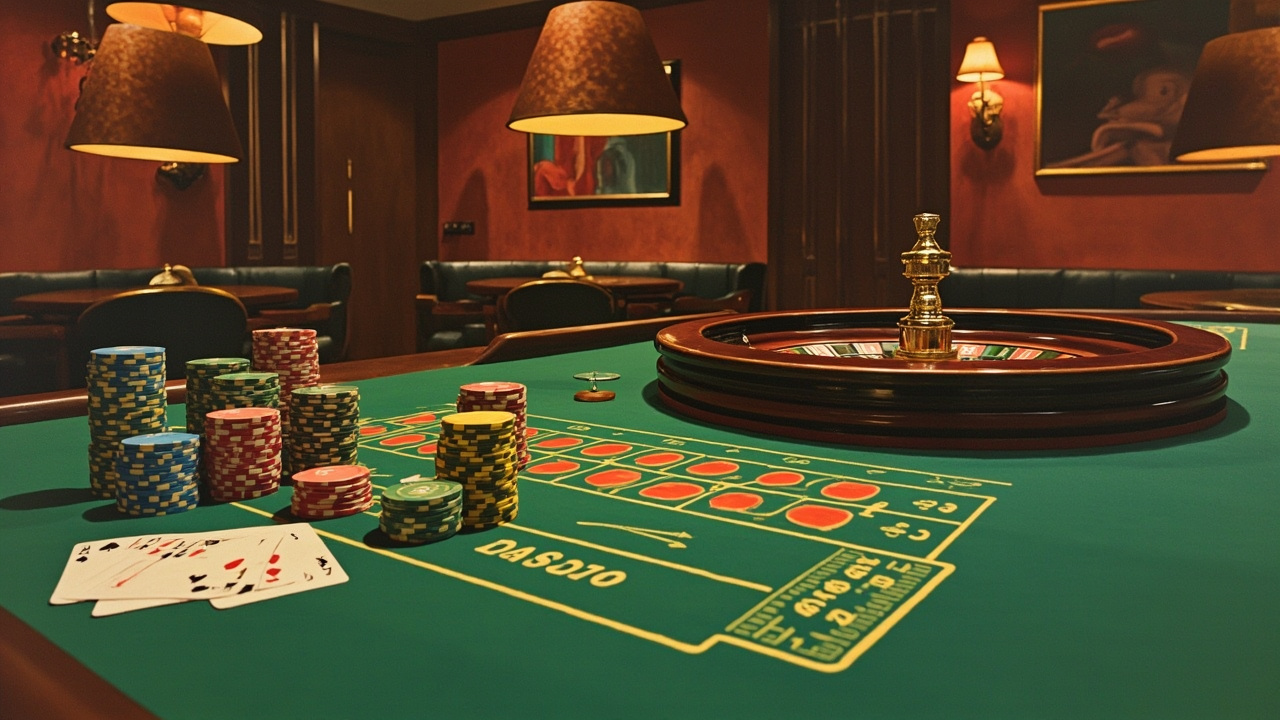
Pontoon’s edge shifts with rules, not luck alone. In Australia, a typical live table runs a house advantage around 0.5 to 1 per cent when the dealer stands on soft 17 and you can double after split. The payout percentage for pontoon sits closer to 99 per cent under those conditions, but one rule change – like paying 6:5 on a natural instead of 3:2 – drags it down sharply. I have seen the same principle in slot development: a small tweak to hit frequency or symbol weighting moves the return curve across thousands of spins. Pontoon is the same arithmetic, just slower and more transparent. You can read the table rules before you sit, and that single step tells you more than any glossy sign-up offer.
Players who study basic strategy can further tighten those odds, but side wagers like pontoon spin the reels often reset the balance back in the casino’s favor. You can explore how these supplementary bets reshape table expectations by visiting pontoon spin the reels. Understanding where the mathematical edge truly shifts helps you decide which rules to seek and which to avoid.21bit review casino
Where the numbers meet real play
A small share of players can account for a large share of pokie losses, and the same pattern shows up at the pontoon felt when bet sizing outruns basic strategy. I ran a production audit once where a handful of high-frequency sessions skewed the monthly loss curve, and the data matched what Ethan Phillips, Gaming Technology Consultant, Nullarbor Gaming Analytics, flags in his modelling: “The return percentage is only meaningful if the player’s decisions stay inside the strategy window the on the official site maths assumes.” Personalised offers target players based on their tracked behaviour, so a table that looks generous on paper can still feel expensive if your rhythm drifts. The practical test is simple: track your own hands for a session, note the rule set, and compare your actual return to the theoretical edge before you decide the game suits you.
| Detail | What to expect |
|---|---|
| Game focus | Pontoon and 21-style table variants |
| Providers | Multi-provider live and digital table titles |
| Bonus mechanics | Deposit match and reload offers with wagering terms |
| Payments | AUD, with card and e-wallet options |
| Registration | Email, password, and identity verification |
| Mobile | Browser and app, responsive layout, fast load |
| Support | Live chat and email during local hours |
| Loyalty | Tiered points on qualifying wagers |
Mobile fit for Australian players
A mobile-first table needs to load cleanly on a phone, not just shrink a desktop page. I have shipped iGaming builds across Australia, Europe, and Asia, and the projects that hold up are the ones where navigation, bet slips, and hand history stay readable on a small screen without tapping twice for every action. Responsiveness matters, but so does performance: a laggy deal animation breaks concentration and makes the payout percentage for pontoon feel less reliable than it is. If you play from Newcastle on a commute or between meetings, you want the layout to respond to touch, the balance to update without a refresh, and the rules to stay visible while you decide. That is the difference between a site that works on a phone and one that only tolerates a phone.
Choosing the right table for your style
Think in player-fit scenarios, not one-size-fits-all promises. If you like a slower rhythm and can stick to basic strategy, a standard 3:2 table with dealer stand on soft 17 gives you the clearest read on the payout percentage for pontoon. If you prefer more action and can tolerate a tighter edge, a 6:5 variant or a table with fewer doubling options will move the maths against you, and you should price that into your session. Olivia Parker, Digital Acquisition Director, Laneway Interactive Media, puts it plainly: “A table’s appeal is not just the headline return; it is whether the rules match how a player actually makes decisions under pressure.” The right fit is the one where your habits line up with the rule set, not the other way around.
That printed cloth still comes back to me: the bets sit where the layout says, and the numbers only help if you read them honestly. Before your next arvo session, ask yourself whether the table rules match the way you play, and let that answer – not the banner – guide where you sit.
